Top 5 Smart Lighting Solutions for Modern Homes
Illuminate your home with our top 5 smart lighting solutions that offer convenience and ambiance.
Illuminate your home with our top 5 smart lighting solutions that offer convenience and ambiance.
Top 5 Smart Lighting Solutions for Modern Homes
Hey there, ever thought about how much a little light can change a room? We're not just talking about turning a switch on and off anymore. Welcome to the world of smart lighting, where your lights can do so much more than just brighten up a space. Imagine setting the perfect mood for a movie night with just a voice command, or having your lights automatically adjust to the time of day. Sounds pretty cool, right? Smart lighting isn't just a fancy gadget; it's a game-changer for convenience, energy saving, and creating the perfect atmosphere in your modern home. Let's dive into the top 5 smart lighting solutions that are making waves and how they can transform your living space.
Why Smart Lighting is a Must Have for Modern Living
So, why should you even bother with smart lighting? Well, for starters, it's incredibly convenient. No more fumbling for light switches in the dark or getting up from the couch to dim the lights. With smart lighting, you can control everything from your smartphone, a smart speaker, or even motion sensors. This means you can turn lights on or off, adjust brightness, and even change colors from anywhere, whether you're at home or halfway across the world. Think about the peace of mind knowing you can turn off that forgotten light from your office!
Beyond convenience, smart lighting is a big win for energy efficiency. Many smart bulbs are LEDs, which are already super energy-efficient. But smart features take it a step further. You can set schedules for your lights to turn off when you're not home, dim them automatically during certain hours, or even use motion sensors so lights only come on when someone's in the room. This can lead to significant savings on your electricity bill over time. Plus, some systems can even track your energy usage, giving you insights into how to be even more efficient.
And let's not forget about ambiance. This is where smart lighting truly shines. Want a bright, cool white light for working? Done. A warm, dim glow for a relaxing evening? Easy. Many smart bulbs offer millions of color options, allowing you to create any mood imaginable. You can sync lights to music, set them to mimic a sunrise for a gentle wake-up, or even have them change colors for a party. The possibilities are endless, and it really elevates the feel of your home.
Philips Hue The Gold Standard of Smart Lighting Systems
When you talk about smart lighting, Philips Hue is usually the first name that comes to mind, and for good reason. They've been around for a while and have built a robust, reliable, and incredibly versatile ecosystem. Philips Hue offers a massive range of products, from standard bulbs to light strips, outdoor lights, and even smart lamps. Their system primarily uses a 'Bridge' (a hub) that connects to your router, allowing you to control your lights via the Hue app, voice assistants like Alexa or Google Assistant, and even Apple HomeKit.
Philips Hue Product Spotlight and Use Cases
- Philips Hue White and Color Ambiance A19 Bulb: This is their flagship bulb. It offers millions of colors and shades of white, from warm to cool.
- Use Case: Perfect for living rooms, bedrooms, or any space where you want to change the mood. Imagine setting a vibrant blue for a gaming session or a soft amber for reading.
- Price: Around $50 per bulb, but often available in starter kits with a Bridge for about $100-$150.
- Philips Hue Lightstrip Plus: A flexible LED strip that can be cut to size and extended.
- Use Case: Great for accent lighting behind TVs, under cabinets, along staircases, or even under beds for a cool glow. It adds a modern, sleek touch to any area.
- Price: Approximately $80-$90 for a 6-foot strip.
- Philips Hue Play Light Bar: Compact light bars designed to sit behind your TV or monitor.
- Use Case: Syncs with your TV content for an immersive entertainment experience, extending the colors on your screen into the room. Also great for general accent lighting.
- Price: Around $70-$80 per bar, often sold in double packs.
Why Choose Philips Hue
Philips Hue's biggest strength is its extensive ecosystem and reliability. The app is intuitive, and the integration with other smart home platforms is seamless. They also have a feature called 'Hue Sync' which can synchronize your lights with movies, music, and games, creating a truly immersive experience. While they might be a bit pricier upfront, the quality, features, and longevity often justify the cost for many users. The Bridge ensures a stable connection and allows for more complex automations.
LIFX Vibrant Colors Without the Hub
LIFX is another strong contender in the smart lighting space, known for its incredibly bright and vibrant colors. What sets LIFX apart from Philips Hue is that their bulbs connect directly to your Wi-Fi network, meaning you don't need a separate hub or bridge. This can make setup a bit simpler for some users, especially if you're just starting with a few bulbs.
LIFX Product Spotlight and Use Cases
- LIFX A19 Color Bulb: Similar to Hue's flagship, this bulb offers a wide spectrum of colors and whites.
- Use Case: Excellent for rooms where you want really punchy, saturated colors. Great for parties, gaming setups, or just making a statement.
- Price: Around $45-$55 per bulb.
- LIFX Z Lightstrip: A flexible light strip that also boasts impressive brightness and color accuracy.
- Use Case: Ideal for backlighting, under-cabinet lighting, or anywhere you want to add a pop of color. The individual addressable zones allow for multi-color effects on a single strip.
- Price: Approximately $70-$80 for a 6.6-foot strip.
- LIFX Beam: A modular light bar system that snaps together magnetically.
- Use Case: Perfect for creating unique wall art or ambient lighting. You can arrange the beams in different patterns to create a personalized look.
- Price: Around $120 for a starter kit with 6 beams.
Why Choose LIFX
LIFX is a great choice if you prefer a hub-free setup and prioritize vibrant, accurate colors. Their bulbs are often noted for being brighter than some competitors, which can be a big plus in larger rooms or for specific lighting effects. The app is user-friendly, and they integrate well with major smart home ecosystems. However, because they rely on Wi-Fi, if you have a very large number of bulbs, it could potentially put a strain on your home network, though this is rarely an issue for most households.
Govee Budget Friendly and Feature Packed
Govee has rapidly gained popularity by offering a wide range of smart lighting products that are incredibly feature-rich and often at a more affordable price point than some of the premium brands. While they might not have the same long-standing reputation as Philips Hue, Govee has impressed users with their innovative designs and extensive app features.
Govee Product Spotlight and Use Cases
- Govee RGBIC LED Strip Lights: These are Govee's signature product, featuring 'RGBIC' technology which allows multiple colors to be displayed on a single strip simultaneously.
- Use Case: Fantastic for creating dynamic lighting effects in gaming rooms, behind TVs, or under desks. The segmented color control allows for rainbow effects and more complex patterns.
- Price: Varies widely by length and features, but often $20-$50 for a standard strip.
- Govee Smart Light Bulbs: Standard A19 bulbs with color and white ambiance options.
- Use Case: A cost-effective way to add smart lighting to any room. Great for general illumination with the added benefit of color control.
- Price: Often sold in multi-packs, around $10-$15 per bulb.
- Govee Glide Wall Light: Modular light bars that connect to create unique designs on your wall.
- Use Case: A stylish way to add ambient lighting and a modern aesthetic to living rooms, gaming setups, or even hallways.
- Price: Around $70-$80 for a 6-piece kit.
Why Choose Govee
Govee is an excellent choice if you're looking for advanced features like RGBIC technology and music synchronization at a more budget-friendly price. Their app is packed with customization options, including a vast array of scene modes and DIY color effects. While some Govee products connect directly via Wi-Fi, others use Bluetooth, and some have optional hubs for more advanced control. They are constantly innovating and releasing new products, making them a dynamic player in the smart lighting market. If you want a lot of bang for your buck and love experimenting with creative lighting, Govee is definitely worth checking out.
Nanoleaf Artistic and Interactive Lighting Panels
Nanoleaf stands out from the crowd with its unique modular light panels that double as artistic wall decor. These aren't just bulbs; they're interactive light installations that allow you to express your creativity while providing functional lighting. Nanoleaf panels connect to your Wi-Fi and can be arranged in countless patterns, making them a focal point in any room.
Nanoleaf Product Spotlight and Use Cases
- Nanoleaf Shapes Hexagons/Triangles/Mini Triangles: Modular light panels that snap together.
- Use Case: Create stunning wall art that also provides ambient lighting. Perfect for gaming rooms, creative spaces, or modern living areas. They react to touch, music, and can display dynamic animations.
- Price: Starter kits typically range from $200-$300 depending on the number of panels.
- Nanoleaf Lines: Backlit LED light bars that connect to form linear designs.
- Use Case: Ideal for creating sleek, minimalist lighting designs on walls or ceilings. They offer a more subtle glow than the panels but still provide dynamic effects.
- Price: Starter kits around $200.
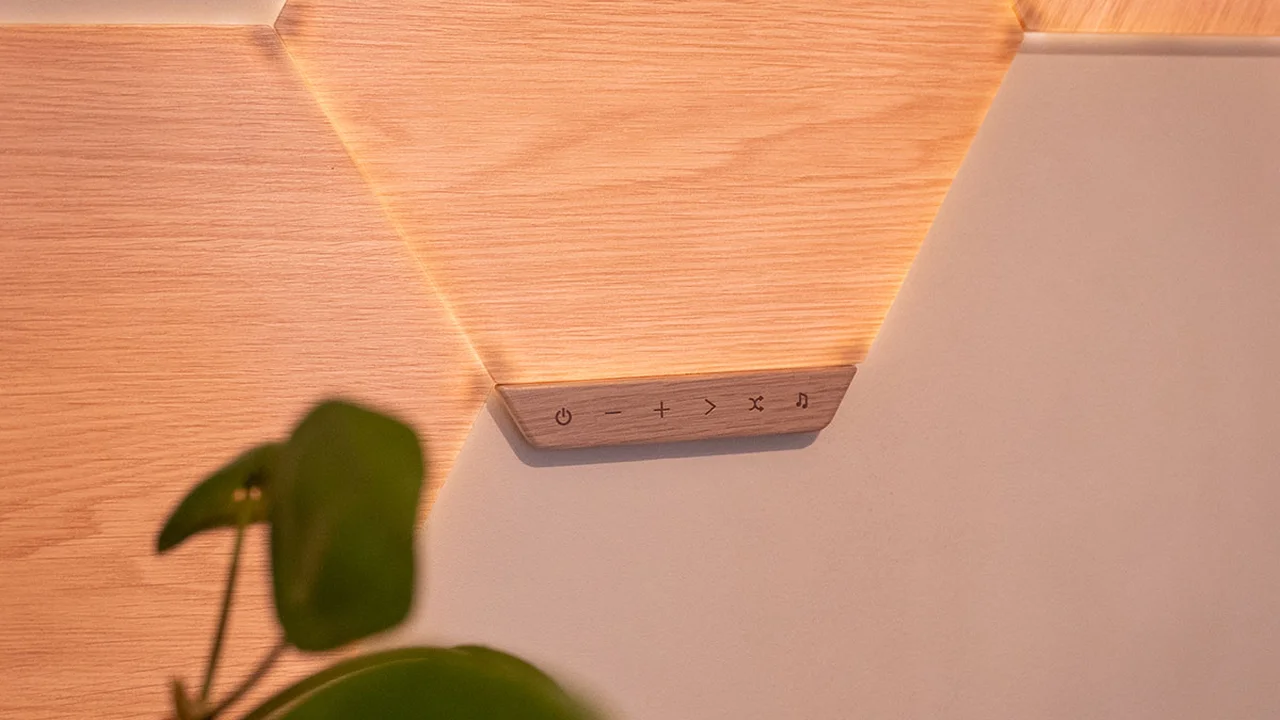
- Nanoleaf Elements: Wood-look hexagonal panels that offer a more natural, ambient glow.
- Use Case: For those who want the modularity of Nanoleaf but with a warmer, more organic aesthetic. Great for bedrooms or living spaces where you want a cozy, natural feel.
- Price: Starter kits around $250.
Why Choose Nanoleaf
Choose Nanoleaf if you're looking for a statement piece that combines lighting with art. Their products are highly interactive, responding to touch, music, and even screen mirroring for an immersive experience. The setup involves planning your layout, but the magnetic connectors make assembly straightforward. While they are on the higher end of the price spectrum, the unique aesthetic and interactive features make them a worthwhile investment for those who want their lighting to be a conversation starter. They integrate well with major smart home platforms, allowing for voice control and automation.
TP-Link Kasa Smart Lighting Simple and Reliable
TP-Link's Kasa Smart line offers a straightforward and reliable entry into smart lighting, often at very competitive prices. Like LIFX, Kasa bulbs connect directly to your Wi-Fi, eliminating the need for a separate hub. This makes them an excellent choice for those who want to dip their toes into smart lighting without a significant initial investment or complex setup.
TP-Link Kasa Product Spotlight and Use Cases
- Kasa Smart Wi-Fi Light Bulb (Color): A standard A19 bulb offering millions of colors and tunable white light.
- Use Case: Perfect for general room lighting where you want the flexibility of color and brightness control. Easy to set up in any lamp or fixture.
- Price: Often sold in multi-packs, around $15-$20 per bulb.
- Kasa Smart Wi-Fi Light Switch: Not a bulb, but a smart switch that can turn any traditional light fixture into a smart one.
- Use Case: Ideal for controlling ceiling lights, chandeliers, or outdoor lights that use standard bulbs. This is a great way to smarten up existing fixtures without replacing all your bulbs.
- Price: Around $25-$35 per switch.
- Kasa Smart Wi-Fi Outdoor Plug: While not lighting itself, this can make any outdoor string lights or decorative lights smart.
- Use Case: Control your patio lights, holiday decorations, or garden lights from your phone or with schedules.
- Price: Around $20-$30.
Why Choose TP-Link Kasa
TP-Link Kasa is a fantastic option for those seeking simplicity, reliability, and affordability. The Kasa app is user-friendly and makes setup a breeze. Their products integrate seamlessly with Alexa and Google Assistant, allowing for easy voice control. If you're looking to smarten up your home without breaking the bank or dealing with a hub, Kasa offers a solid range of products that just work. They might not have the same extensive range of specialized lighting products as Philips Hue or the artistic flair of Nanoleaf, but for everyday smart lighting needs, they are a very strong contender.
Comparing the Top Smart Lighting Solutions
Alright, so we've looked at five great options. How do they stack up against each other? It really comes down to what you prioritize for your home.
Hub vs Hubless Smart Lighting Systems
Philips Hue requires a hub (the Bridge). This means an extra piece of hardware connected to your router. The upside? A dedicated Zigbee network for your lights, which is generally very stable and doesn't clog up your Wi-Fi. It's great for larger setups with many bulbs.
LIFX, Govee, and TP-Link Kasa are generally hubless, connecting directly to your Wi-Fi. This is simpler for smaller setups and means fewer devices. However, if you have dozens of smart devices, it can potentially put more strain on your Wi-Fi network. Govee does have some products that can use a hub for more advanced features, but many are standalone.
Nanoleaf also connects directly to Wi-Fi, but given its artistic nature, you're likely to have fewer panels than you would standard bulbs, so network strain is less of a concern.
Color Vibrancy and Brightness
If vibrant, punchy colors are your top priority, LIFX often gets the nod for its impressive brightness and color saturation. Philips Hue is also excellent, offering a wide spectrum and great accuracy. Govee, especially with its RGBIC technology, offers fantastic dynamic color effects and good brightness for its price point. Nanoleaf focuses more on ambient and artistic lighting, with good color reproduction but perhaps not the raw brightness of a dedicated bulb. TP-Link Kasa offers solid colors and brightness for everyday use, perfectly adequate for most homes.
Ecosystem and Product Range
Philips Hue has the most extensive and mature ecosystem. They offer everything from standard bulbs to outdoor lighting, smart plugs, motion sensors, and even entertainment-focused products like the Play Bars and Gradient Lightstrips. If you want a comprehensive smart lighting solution for your entire home, Hue has you covered.
Govee is rapidly expanding its product range and offers a huge variety of unique lighting products, especially in the LED strip and decorative lighting categories. They are very innovative. LIFX has a good range of bulbs and strips, focusing on high-quality light. TP-Link Kasa offers a solid foundation of bulbs, switches, and plugs, perfect for general smart home integration. Nanoleaf is more specialized, focusing on its unique modular panels and lines.
Price Point and Value
TP-Link Kasa and Govee generally offer the best value for money, especially if you're looking for individual bulbs or basic light strips. They provide a lot of features at a very competitive price.
LIFX sits in the mid-to-high range, offering premium brightness and hub-free convenience for its price.
Philips Hue is often considered the premium option, with a higher upfront cost, especially if you need the Bridge. However, many users find the reliability, extensive features, and broad ecosystem justify the investment.
Nanoleaf is definitely at the higher end of the price spectrum, but you're paying for a unique artistic product that doubles as lighting and decor.
Installation and Setup Tips for Smart Lighting
Getting your smart lights up and running is usually pretty straightforward, but here are a few tips to make it even smoother:
Before You Buy Smart Lighting
- Check Your Wi-Fi: Most hubless smart lights operate on the 2.4GHz Wi-Fi band. Make sure your router supports this and that you have good signal strength where you plan to install the lights. If you have a large home, consider a mesh Wi-Fi system.
- Consider Your Smart Home Ecosystem: Do you use Alexa, Google Assistant, or Apple HomeKit? Make sure the smart lights you choose are compatible with your preferred voice assistant for seamless control.
- Bulb Type: Check the base type (E26/E27 for standard screw-in, GU10 for spotlights, etc.) to ensure the smart bulb fits your existing fixtures.
During Installation of Smart Lighting
- Start Simple: If you're new to smart lighting, start with one or two bulbs in a high-traffic area like your living room or bedroom. Get comfortable with the app and features before expanding.
- Follow App Instructions: Each brand's app will guide you through the pairing process. It usually involves screwing in the bulb, turning it on, and then searching for it in the app.
- Firmware Updates: Once connected, check for any firmware updates for your bulbs. These often include bug fixes and new features.
- Label Your Lights: If you have multiple smart lights, especially in different rooms, give them clear, descriptive names in the app (e.g., 'Living Room Lamp,' 'Kitchen Counter Lights'). This makes voice control much easier.
Optimizing Your Smart Lighting Experience
- Create Scenes: Most smart lighting apps allow you to create 'scenes' – predefined lighting settings for different activities (e.g., 'Movie Night' with dim, warm lights; 'Reading' with bright, cool lights). This is a game-changer for convenience.
- Set Schedules and Automations: Use schedules to have lights turn on or off at specific times (e.g., lights on at sunset, off at bedtime). Explore automations based on motion sensors, door sensors, or even your location (geofencing).
- Explore Integrations: Connect your smart lights with other smart home devices. For example, have your lights turn on when your smart lock unlocks the front door, or dim when your smart TV turns on.
- Experiment with Colors: Don't be afraid to play around with the millions of color options. You might be surprised how much a subtle color shift can change the feel of a room.
The Future of Smart Lighting in Modern Homes
Smart lighting is constantly evolving, and the future looks even brighter (pun intended!). We're seeing more integration with health and wellness, with lights that can adjust their color temperature throughout the day to mimic natural light cycles, helping to regulate your circadian rhythm and improve sleep. Imagine lights that gently wake you up with a simulated sunrise and gradually dim to help you wind down in the evening.
Beyond that, expect even more seamless integration with other smart home devices. Your lights might automatically adjust based on your smart thermostat's settings, or even react to your fitness tracker data. We're also seeing advancements in 'presence detection,' where lights can learn your habits and anticipate your needs, turning on or off based on subtle cues rather than just motion. The possibilities are truly exciting, making our homes not just smarter, but more intuitive and responsive to our daily lives.
So, whether you're looking to add a touch of convenience, save on energy bills, or create a truly immersive and personalized atmosphere, smart lighting offers a solution. From the comprehensive ecosystem of Philips Hue to the vibrant colors of LIFX, the budget-friendly features of Govee, the artistic flair of Nanoleaf, or the simple reliability of TP-Link Kasa, there's a smart lighting solution out there for every modern home and every budget. Dive in and light up your life!
:max_bytes(150000):strip_icc()/277019-baked-pork-chops-with-cream-of-mushroom-soup-DDMFS-beauty-4x3-BG-7505-5762b731cf30447d9cbbbbbf387beafa.jpg)