The 6 Best Air Purifiers for Healthy Homes
Improve your indoor air quality with the 6 best air purifiers recommended for healthy homes.
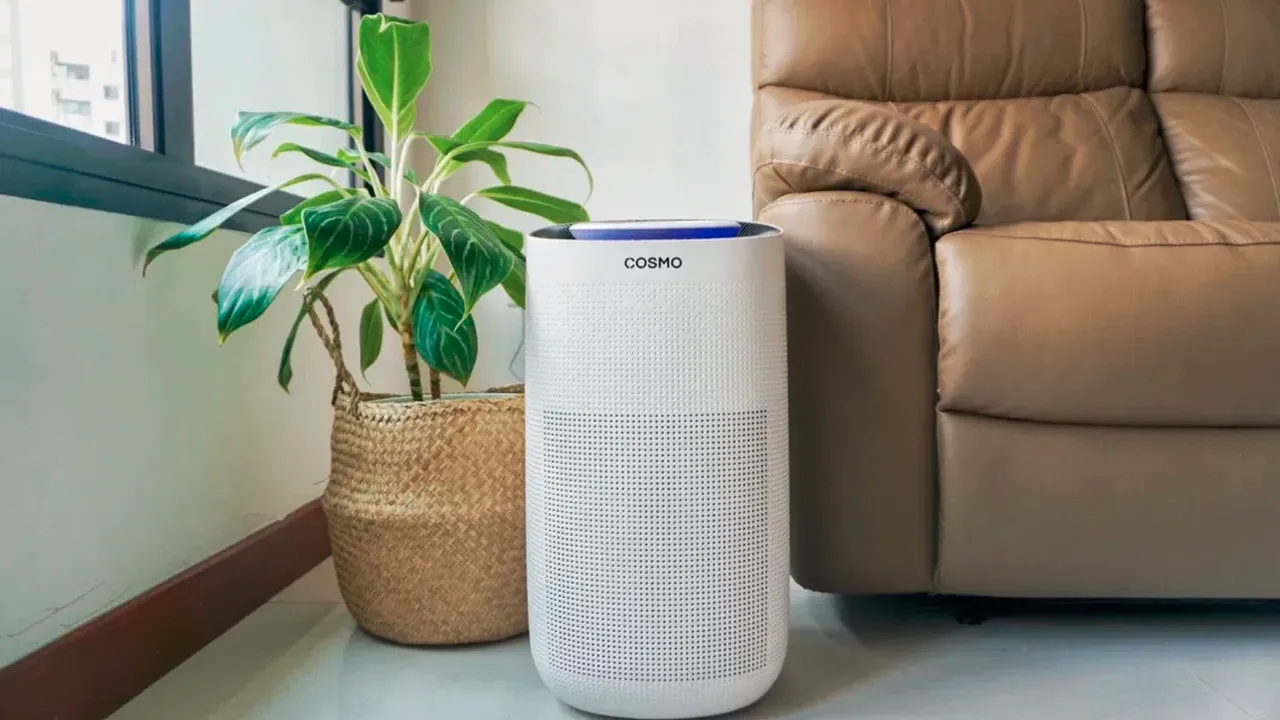
Improve your indoor air quality with the 6 best air purifiers recommended for healthy homes. In today's modern living, the air inside our homes can often be more polluted than the air outside. From pet dander and dust mites to pollen, mold spores, and volatile organic compounds (VOCs) from cleaning products and furniture, our indoor environments are teeming with invisible contaminants. This can lead to a range of health issues, including allergies, asthma, respiratory problems, and even long-term chronic illnesses. That's where air purifiers come in. These devices are designed to filter out harmful particles and gases, providing you with cleaner, healthier air to breathe. But with so many options on the market, how do you choose the right one for your home? This comprehensive guide will walk you through the essential factors to consider and highlight the top 6 air purifiers that stand out for their performance, features, and value.
Understanding Air Purifier Technology and Your Needs
Before diving into specific models, it's crucial to understand the different types of air purification technologies and what they target. Most effective air purifiers utilize a combination of filters to tackle various pollutants.
HEPA Filters for Particle Removal
High-Efficiency Particulate Air (HEPA) filters are the gold standard for removing airborne particles. A true HEPA filter can capture at least 99.97% of airborne particles 0.3 microns in size. This includes dust, pollen, pet dander, mold spores, and even some bacteria and viruses. When looking for an air purifier, always ensure it specifies 'True HEPA' rather than 'HEPA-type' or 'HEPA-like,' which may not meet the same stringent standards.
Activated Carbon Filters for Odors and VOCs
While HEPA filters excel at capturing particles, they are not effective against gases, odors, or volatile organic compounds (VOCs). For these, you need an activated carbon filter. Activated carbon is highly porous and can absorb gaseous pollutants like smoke, cooking odors, pet odors, and chemicals emitted from paints, cleaning supplies, and new furniture. If you're concerned about smells or chemical sensitivities, an air purifier with a substantial activated carbon filter is essential.
Other Technologies Ionizers and UV-C Light
Some air purifiers incorporate additional technologies like ionizers or UV-C light. Ionizers release charged ions that attach to airborne particles, making them heavier and causing them to fall out of the air. While they can be effective, some ionizers can produce ozone, a lung irritant. Look for ozone-free ionizers if this technology is important to you. UV-C light is used to kill bacteria, viruses, and mold spores. While beneficial, it's typically a secondary purification method and not a substitute for HEPA and carbon filtration.
CADR Ratings and Room Size Considerations
The Clean Air Delivery Rate (CADR) is a key metric to look for. It indicates how quickly an air purifier can remove pollutants from a room. CADR ratings are given for smoke, pollen, and dust. A higher CADR means faster cleaning. Match the air purifier's CADR to your room size. For example, if a room is 200 square feet, you'll want a CADR of at least 130 for smoke, 120 for dust, and 140 for pollen. Many manufacturers also provide a recommended room size in square feet, which can be a helpful guide.
Noise Levels and Energy Efficiency
Air purifiers operate with fans, so they will produce some noise. Look for models with low noise levels, especially if you plan to use them in bedrooms or living areas. Noise is typically measured in decibels (dB). Energy efficiency is also important, as air purifiers run continuously. Look for Energy Star certified models, which are designed to consume less power.
The 6 Best Air Purifiers for Healthy Homes
1. Coway Airmega 200M Best Overall Air Purifier
Why it's great: The Coway Airmega 200M consistently ranks as a top performer due to its excellent filtration capabilities, quiet operation, and smart features. It uses a four-stage filtration system: a pre-filter for large particles, a deodorization filter (activated carbon) for odors and VOCs, a True HEPA filter for fine particles, and a vital ionizer (optional, ozone-free). It automatically adjusts fan speed based on air quality, saving energy and ensuring optimal performance.
Ideal Use Case: Perfect for bedrooms, living rooms, and open-plan spaces up to 361 sq ft. Its quiet operation makes it ideal for sleeping environments.
Key Features: True HEPA filter, activated carbon filter, air quality indicator, auto mode, eco mode, filter replacement indicator, quiet operation (24.4 dB on low).
Price Range: $200 - $250 USD
2. Levoit Core 300S Best Budget-Friendly Option
Why it's great: The Levoit Core 300S offers impressive performance for its compact size and affordable price. It features a 3-in-1 filtration system: a pre-filter, a True HEPA filter, and an activated carbon filter. It's surprisingly effective at capturing particles and odors in smaller spaces and boasts a very quiet sleep mode.
Ideal Use Case: Excellent for small bedrooms, offices, or dorm rooms up to 219 sq ft. Its small footprint makes it easy to place anywhere.
Key Features: True HEPA filter, activated carbon filter, quiet operation (24 dB on sleep mode), compact design, filter replacement indicator.
Price Range: $90 - $110 USD
3. Blueair Blue Pure 211+ Auto Best for Large Rooms
Why it's great: The Blueair Blue Pure 211+ Auto is a powerhouse for larger spaces. It uses Blueair's unique HEPASilent technology, which combines electrostatic and mechanical filtration to deliver more clean air at a lower noise level and energy consumption. It has a washable pre-filter available in various colors, adding a touch of style, and an activated carbon layer for odors.
Ideal Use Case: Suited for large living rooms, open-concept areas, or master bedrooms up to 540 sq ft. Its auto mode adjusts to real-time air quality.
Key Features: HEPASilent technology, washable pre-filter, activated carbon filter, auto mode, air quality sensor, low energy consumption.
Price Range: $250 - $300 USD
4. Dyson Purifier Cool TP07 Best Premium Smart Purifier
Why it's great: The Dyson Purifier Cool TP07 is more than just an air purifier; it's also a powerful cooling fan. It captures 99.97% of particles as small as 0.3 microns and removes gases and odors. Its fully sealed filtration system ensures that what's captured stays captured. It offers real-time air quality reporting via the Dyson Link app and can be controlled by voice assistants.
Ideal Use Case: For those who want a dual-function device that purifies and cools, suitable for medium to large rooms. Great for tech-savvy users who appreciate smart home integration.
Key Features: True HEPA and activated carbon filtration, cooling fan function, real-time air quality monitoring, Dyson Link app control, voice assistant compatibility, oscillation.
Price Range: $550 - $650 USD
5. Winix 5500-2 Best for Pet Owners and Allergies
Why it's great: The Winix 5500-2 is a popular choice, especially among pet owners and allergy sufferers, thanks to its PlasmaWave technology (which can be turned off if preferred) and comprehensive filtration. It features a True HEPA filter, an activated carbon filter (washable for extended life), and a pre-filter. It's highly effective at capturing pet dander, odors, and common allergens.
Ideal Use Case: Excellent for homes with pets, allergy sufferers, or those sensitive to dust and pollen. Suitable for rooms up to 360 sq ft.
Key Features: True HEPA filter, activated carbon filter (washable), PlasmaWave technology (optional), air quality sensor, auto mode, sleep mode.
Price Range: $150 - $200 USD
6. Medify MA-40 Best for High CADR and Fast Cleaning
Why it's great: The Medify MA-40 boasts an impressive CADR, making it incredibly efficient at cleaning air quickly in larger spaces. It uses a medical-grade H13 True HEPA filter, which is even more effective than standard True HEPA, capturing 99.9% of particles down to 0.1 microns. It also includes a substantial activated carbon filter for odors and VOCs.
Ideal Use Case: Perfect for large rooms, open-plan living areas, or spaces where rapid air purification is needed, such as after cooking or during allergy season. Suitable for rooms up to 840 sq ft (based on one air change per hour).
Key Features: H13 True HEPA filter, activated carbon filter, high CADR, touch panel controls, fan speeds, timer, sleep mode, child lock.
Price Range: $300 - $350 USD
Maintaining Your Air Purifier for Optimal Performance
To ensure your air purifier continues to provide clean air, regular maintenance is key. This primarily involves replacing filters according to the manufacturer's recommendations. HEPA filters typically last 6-12 months, while activated carbon filters may need replacement every 3-6 months, depending on usage and air quality. Pre-filters are often washable and should be cleaned regularly to prevent clogging and extend the life of other filters. Neglecting filter replacement can reduce the purifier's effectiveness and even put a strain on the motor.
Making the Right Choice for Your Healthy Home
Choosing the best air purifier depends on your specific needs, room size, and budget. Consider what pollutants you're most concerned about – particles, odors, or both. Evaluate the CADR rating to ensure it's appropriate for your space. Don't forget to factor in noise levels, especially if the purifier will be in a bedroom. By investing in a quality air purifier, you're taking a significant step towards creating a healthier and more comfortable living environment for yourself and your family. Breathe easier knowing you've made an informed decision for your home's air quality.
:max_bytes(150000):strip_icc()/277019-baked-pork-chops-with-cream-of-mushroom-soup-DDMFS-beauty-4x3-BG-7505-5762b731cf30447d9cbbbbbf387beafa.jpg)