Pet-Friendly Cleaning: A Guide to a Safe and Healthy Home in 2025
Maintaining a clean home is crucial for the health and well-being of everyone, including our beloved pets. In 2025, with an increased awareness of the potential dangers of harsh chemicals, pet-friendly cleaning has become more than a trend – it's a necessity. Traditional cleaning products often contain ingredients that can be harmful to animals, leading to skin irritation, respiratory problems, or even more serious health issues if ingested. This guide explores the world of pet-friendly cleaning, offering practical advice and long-term considerations for creating a safe and healthy environment for your furry companions.
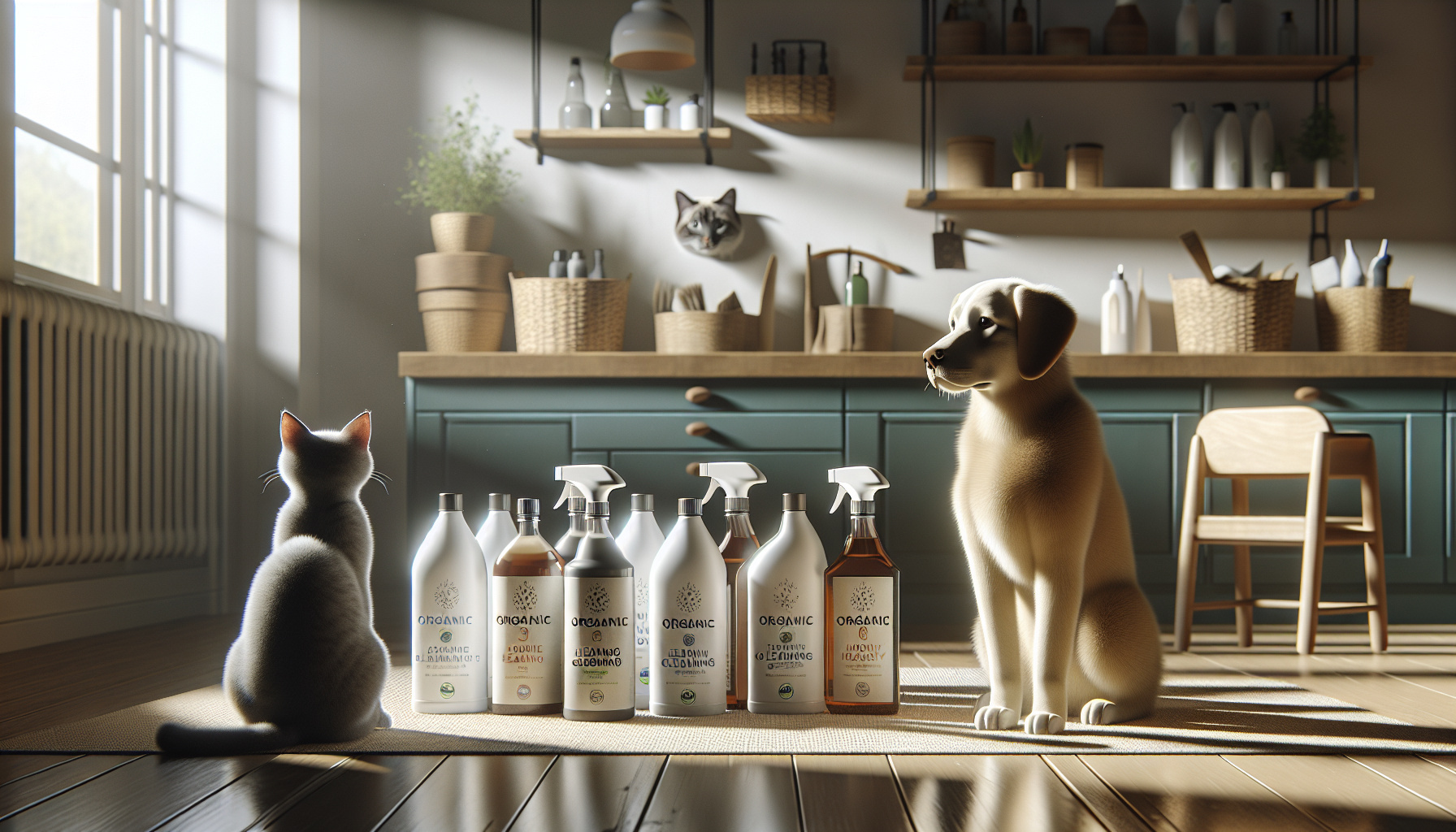
Understanding the Risks of Traditional Cleaning Products
Many common household cleaners contain chemicals like ammonia, bleach, formaldehyde, and phthalates, which can be toxic to pets. These substances can be absorbed through the skin, inhaled, or ingested when pets lick surfaces. Symptoms of poisoning can range from mild irritation to severe organ damage. Understanding these risks is the first step in transitioning to safer cleaning practices.
Identifying Pet-Safe Cleaning Ingredients
The key to pet-friendly cleaning lies in choosing products with safe and natural ingredients. Look for cleaners that are labeled as "pet-friendly," "non-toxic," or "plant-based." Some safe and effective ingredients include:
- Vinegar:A natural disinfectant and deodorizer. Diluted white vinegar can be used for cleaning floors, counters, and windows.
- Baking Soda:An excellent odor absorber and gentle abrasive cleaner. It can be used for scrubbing surfaces, cleaning carpets, and freshening up pet beds.
- Lemon Juice:A natural disinfectant and degreaser. Lemon juice can be used to clean cutting boards, remove stains, and add a fresh scent to your home.
- Castile Soap:A mild and versatile soap made from vegetable oils. It can be used for a variety of cleaning tasks, from washing dishes to cleaning floors.
- Essential Oils:Some essential oils, like lavender, chamomile, and cedarwood, are safe for pets in diluted form and can add a pleasant scent to your cleaning routine. However, it’s crucial to research and ensure the specific oil is safe for your particular pet, as some can be toxic. Always dilute essential oils properly.
Practical Guidance: Selecting Pet-Friendly Cleaning Products
Choosing the right pet-friendly cleaning products requires careful consideration. Here's a step-by-step guide:
- Read Labels Carefully:Avoid products with vague ingredient lists or harsh chemicals like bleach, ammonia, and phthalates. Look for products that clearly state they are safe for use around pets. Check for certification seals from reputable organizations.
- Consider Your Pet's Sensitivities:Some pets are more sensitive than others. If your pet has allergies or sensitivities, choose hypoallergenic cleaning products.
- Test Products in a Small Area:Before using a new cleaning product on a large surface, test it in a small, inconspicuous area to ensure it doesn't cause any discoloration or damage. Also, observe your pet for any adverse reactions.
- DIY Options:Making your own cleaning solutions is a great way to ensure they are safe for your pets. Numerous recipes online use simple ingredients like vinegar, baking soda, and water.
- Consult Your Veterinarian:If you are unsure about the safety of a particular cleaning product, consult your veterinarian.
DIY Pet-Friendly Cleaning Recipes
Here are a few simple DIY cleaning recipes that are safe for pets:
- All-Purpose Cleaner:Mix equal parts white vinegar and water in a spray bottle. Add a few drops of pet-safe essential oil for fragrance (optional).
- Carpet Cleaner:Sprinkle baking soda on the carpet, let it sit for 15-30 minutes, and then vacuum. For stains, mix equal parts white vinegar and water in a spray bottle, spray on the stain, let it sit for a few minutes, and then blot with a clean cloth.
- Floor Cleaner:Mix 1/4 cup of white vinegar with 1 gallon of warm water. Use this solution to mop floors.
- Dish Soap:Use a small amount of castile soap to handwash dishes.
Long-Term Considerations: Maintenance and Responsibilities
Transitioning to pet-friendly cleaning is not a one-time event but an ongoing commitment. Here are some long-term considerations:
- Regular Cleaning Schedule:Establish a regular cleaning schedule to keep your home clean and free of pet dander, allergens, and odors.
- Pet Bed Maintenance:Wash pet beds regularly to remove dirt, dander, and odors. Use a pet-friendly laundry detergent.
- Food and Water Bowl Hygiene:Wash food and water bowls daily to prevent bacteria growth.
- Accident Clean-Up:Clean up pet accidents immediately to prevent stains and odors. Use a pet-specific enzymatic cleaner to break down the odor-causing compounds.
- Air Quality:Improve indoor air quality by using an air purifier with a HEPA filter to remove pet dander and allergens. Regular vacuuming with a HEPA filter vacuum cleaner can also help.
- Training and Prevention:Training your pets to use designated areas for urination and defecation can minimize accidents and the need for frequent cleaning.
The Importance of Ventilation
Regardless of the cleaning products you use, proper ventilation is crucial. Open windows and doors while cleaning to allow fresh air to circulate. This helps to remove any lingering fumes and reduces the risk of respiratory irritation for both you and your pets.
Addressing Common Pet-Related Cleaning Challenges
Pet owners often face unique cleaning challenges. Here's how to tackle some of the most common ones:
- Pet Hair Removal:Use a rubber brush, lint roller, or vacuum with a pet hair attachment to remove pet hair from furniture, carpets, and clothing.
- Odor Control:Use baking soda, vinegar, or enzymatic cleaners to neutralize pet odors. Avoid using air fresheners that contain harsh chemicals.
- Scratch Marks:Repair scratch marks on furniture and walls with wood filler or paint. Provide your pets with scratching posts or pads to redirect their scratching behavior.
- Muddy Paw Prints:Keep a towel near the door to wipe your pet's paws before they enter the house. Use a pet-friendly floor cleaner to remove muddy paw prints.
Evaluating the Cost of Pet-Friendly Cleaning
The cost of pet-friendly cleaning products can vary depending on the brand and ingredients. While some natural cleaners may be slightly more expensive than traditional cleaners, the health benefits for your pets and family are worth the investment. DIY cleaning solutions can be a cost-effective alternative. Also, consider the potential long-term costs associated with pet illnesses caused by exposure to harsh chemicals, which can be significantly higher than the cost of pet-friendly cleaning products.
Staying Updated on the Latest Research
The field of pet-friendly cleaning is constantly evolving. Stay informed about the latest research and recommendations by subscribing to reputable pet health newsletters, reading articles from trusted sources, and consulting with your veterinarian. [**Markdown URL: https://www.aspca.org/pet-care/animal-poison-control**] (ASPCA Animal Poison Control) is an excellent resource for information on toxic substances for pets.
Making the Switch: A Gradual Transition
You don't have to replace all your cleaning products overnight. Start by gradually replacing your most frequently used cleaners with pet-friendly alternatives. This allows you to assess the effectiveness of the new products and adjust your cleaning routine accordingly.
FAQ (Frequently Asked Questions)
- Are all "natural" cleaning products safe for pets?
No, not all natural cleaning products are safe for pets. Some natural ingredients, like certain essential oils, can be toxic. Always read the label carefully and research the ingredients before using a product around your pets. - How can I tell if my pet is reacting to a cleaning product?
Signs of a reaction to a cleaning product include skin irritation, respiratory problems, vomiting, diarrhea, and lethargy. If you suspect your pet is reacting to a cleaning product, contact your veterinarian immediately. - Can I use human shampoo to wash my pet?
No, human shampoo is not formulated for pets and can strip their skin of its natural oils, leading to dryness and irritation. Use a pet-specific shampoo that is formulated for their skin and coat. - How often should I clean my pet's toys?
Pet toys should be cleaned regularly, especially if they are frequently used outdoors or come into contact with food. Wash plush toys in the washing machine and disinfect hard toys with a pet-safe cleaner. - Is it safe to use essential oil diffusers around pets?
The safety of using essential oil diffusers around pets depends on the type of oil and the concentration. Some essential oils are toxic to pets, even in small amounts. If you choose to use an essential oil diffuser, make sure to use pet-safe oils, dilute them properly, and provide your pet with a way to leave the room if they are uncomfortable. Always consult with your veterinarian before using essential oils around your pets.
Disclaimer:This information is for informational purposes only and should not be considered veterinary advice. Always consult with your veterinarian for any health concerns related to your pet.
Key Takeaways: Pet-Friendly Cleaning for a Healthy Home
- Prioritize pet-safe ingredients like vinegar, baking soda, and castile soap.
- Avoid harsh chemicals found in traditional cleaning products.
- Read labels carefully and test new products in small areas.
- Create a regular cleaning schedule to maintain a healthy environment.
- Consult your veterinarian if you have any concerns about pet-friendly cleaning.
- DIY cleaning solutions offer a cost-effective and safe alternative.
- Proper ventilation during cleaning is essential.