Three Fruits You Should Eat Daily to Lower High Blood Pressure
Discover three potassium-rich fruits that can help lower high blood pressure naturally. Learn how their antioxidants support heart health and simple ways to add them to your daily meals for better cardiovascular wellness.
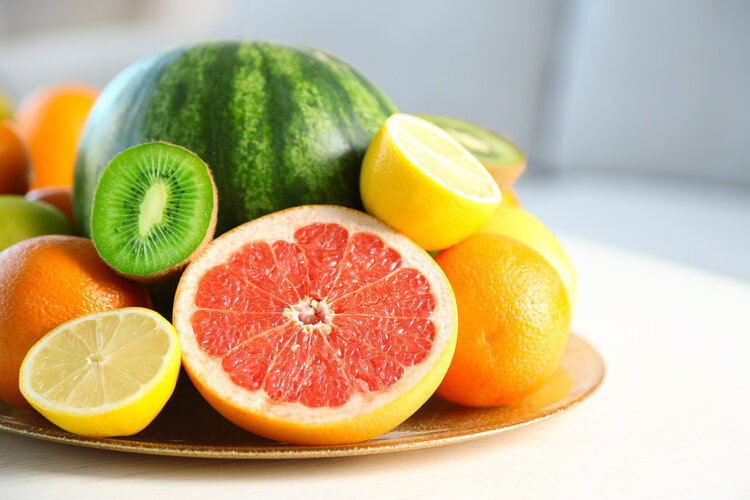
High blood pressure affects millions of people worldwide and increases the risk of heart disease, stroke, and other serious health complications. While medication plays an important role in management, dietary changes can provide significant support for cardiovascular health. Three specific fruits stand out for their ability to help lower blood pressure naturally through their rich nutrient profiles and powerful antioxidants.
Bananas: The Potassium Powerhouse
Bananas are among the most accessible and effective fruits for blood pressure management. A medium banana contains approximately 422 milligrams of potassium, a mineral that helps balance sodium levels in the body and reduces tension in blood vessel walls. This natural mechanism allows blood to flow more easily, decreasing the pressure on your cardiovascular system.
The convenience of bananas makes them ideal for daily consumption. Add sliced bananas to morning oatmeal or whole-grain cereal, blend them into smoothies with leafy greens, or simply enjoy one as a mid-afternoon snack. Their natural sweetness satisfies cravings while delivering heart-healthy benefits. Beyond potassium, bananas provide vitamin B6 and fiber, both of which contribute to overall cardiovascular wellness.
Berries: Antioxidant-Rich Heart Protectors
Blueberries, strawberries, and raspberries contain high concentrations of flavonoids, particularly anthocyanins, which give these fruits their vibrant colors. Research from the American Heart Association indicates that regular berry consumption is associated with reduced blood pressure and improved vascular function. These compounds help relax blood vessels and reduce inflammation throughout the circulatory system.
Berries offer remarkable versatility in meal planning. Mix a handful into Greek yogurt for breakfast, toss them into salads for a burst of flavor, or freeze them for a refreshing dessert alternative. Fresh or frozen berries retain their nutritional value, making them available year-round. A daily serving of one cup provides substantial antioxidant protection while supporting healthy blood pressure levels.
Watermelon: Hydration Meets Circulation Support
Watermelon contains citrulline, an amino acid that converts to arginine in the body. Arginine promotes the production of nitric oxide, a compound that helps blood vessels relax and widen. This vasodilation effect directly contributes to lower blood pressure readings. Additionally, watermelon provides lycopene, another antioxidant linked to cardiovascular health.
The high water content of watermelon makes it especially beneficial during warmer months when dehydration can affect blood pressure. Cube fresh watermelon for a simple snack, blend it into agua fresca, or add it to fruit salads. Two cups of watermelon provide approximately 170 milligrams of potassium along with vitamins A and C, creating a comprehensive nutrient package for heart health.
Understanding How These Nutrients Work Together
The combination of potassium, antioxidants, and other bioactive compounds in these three fruits creates a synergistic effect on cardiovascular health. Potassium helps counteract sodium's blood pressure-raising effects by promoting sodium excretion through urine. The National Heart, Lung, and Blood Institute recommends 3,500 to 5,000 milligrams of potassium daily for adults, an amount easily supported by incorporating these fruits into regular meals.
Antioxidants combat oxidative stress, which damages blood vessel linings and contributes to hypertension. By reducing inflammation and protecting endothelial cells, the flavonoids and other compounds in berries help maintain flexible, healthy arteries. Meanwhile, the amino acids in watermelon support the body's natural mechanisms for regulating blood flow and pressure.
Practical Strategies for Daily Inclusion
Creating sustainable habits requires making these fruits accessible and appealing. Start by keeping bananas on the counter where they remain visible as grab-and-go options. Stock your freezer with berries for year-round availability and easy addition to various dishes. Purchase pre-cut watermelon during peak season or invest in a good knife and cutting board to make preparation effortless.
Build these fruits into existing meal patterns rather than treating them as separate additions. Replace processed snacks with fruit options, enhance breakfast dishes with colorful berries, and use watermelon as a hydrating dessert. Meal prepping fruit portions in containers ensures they're ready when hunger strikes, reducing the temptation to choose less nutritious alternatives.
Sample Daily Integration Plan
Morning: Add half a sliced banana and a handful of blueberries to whole-grain cereal or oatmeal. Afternoon: Enjoy watermelon cubes with a handful of almonds for balanced energy. Evening: Top a small bowl of Greek yogurt with strawberries and raspberries as a satisfying dessert. This simple framework provides multiple servings of heart-healthy fruits without requiring significant meal planning effort.
Additional Cardiovascular Lifestyle Factors
While these three fruits offer substantial benefits, they work best as part of a comprehensive approach to blood pressure management. The DASH eating pattern emphasizes fruits, vegetables, whole grains, and lean proteins while limiting sodium, saturated fats, and added sugars. Regular physical activity, stress management, adequate sleep, and limiting alcohol consumption all contribute to maintaining healthy blood pressure levels.
Monitoring your blood pressure at home helps track how dietary changes affect your readings over time. Keep a food and blood pressure journal to identify patterns and discuss results with your healthcare provider. Some individuals may need medication in addition to lifestyle modifications, and fruit consumption supports rather than replaces prescribed treatments.
Selecting and Storing for Maximum Benefit
Choose bananas at various ripeness stages to ensure you always have some ready to eat. Slightly green bananas offer resistant starch benefits, while riper bananas provide easier digestibility and higher antioxidant levels. Store berries in the refrigerator unwashed until ready to use, as excess moisture promotes spoilage. Rinse them gently just before consumption.
For watermelon, look for symmetrical fruits with a creamy yellow spot where they rested on the ground, indicating ripeness. A hollow sound when tapped suggests proper water content. Cut watermelon stores well in airtight containers for up to five days, making it practical to prepare larger quantities at once.
Addressing Common Questions
Many people wonder about portion sizes and frequency. One medium banana, one to two cups of berries, and two cups of watermelon daily provide significant benefits without excessive natural sugar intake for most individuals. Those managing diabetes should consult healthcare providers about appropriate fruit portions within their meal plans, as these fruits affect blood sugar differently than processed sweets.
Concerns about potassium levels apply primarily to individuals with kidney disease, who may need to limit potassium intake. For the general population with healthy kidney function, the potassium in these fruits supports rather than threatens health. Always discuss dietary changes with your doctor, especially if you take medications that affect potassium levels or blood pressure.
Organic versus conventional fruit selection depends on personal preferences and budget considerations. The Environmental Working Group lists strawberries among produce with higher pesticide residues, making organic options preferable when feasible. Bananas and watermelon have protective peels that reduce pesticide exposure to the edible portions.
Long-Term Heart Health Benefits
Consistent consumption of these three fruits extends beyond blood pressure management to support overall cardiovascular wellness. The fiber in bananas aids cholesterol management, while the vitamin C in berries and watermelon supports collagen production for healthy blood vessel structure. The cumulative effect of these nutrients helps reduce the risk of heart disease, stroke, and other circulation-related conditions.
Starting these dietary habits early provides compounding benefits over decades. Even individuals with normal blood pressure can support long-term heart health through regular fruit consumption. The simple act of eating one serving each of bananas, berries, and watermelon daily creates a foundation for sustained cardiovascular wellness alongside other healthy lifestyle choices.