A Senior's Guide to Navigating Flu Season Safely
As the leaves change and the air turns crisp, it signals the start of flu season. For older adults, this time of year requires a little extra caution. If you’re looking for practical ways to protect yourself and stay healthy, you’ve come to the right place. This guide provides clear, actionable safety tips to help you reduce your risk and support your well-being all season long.
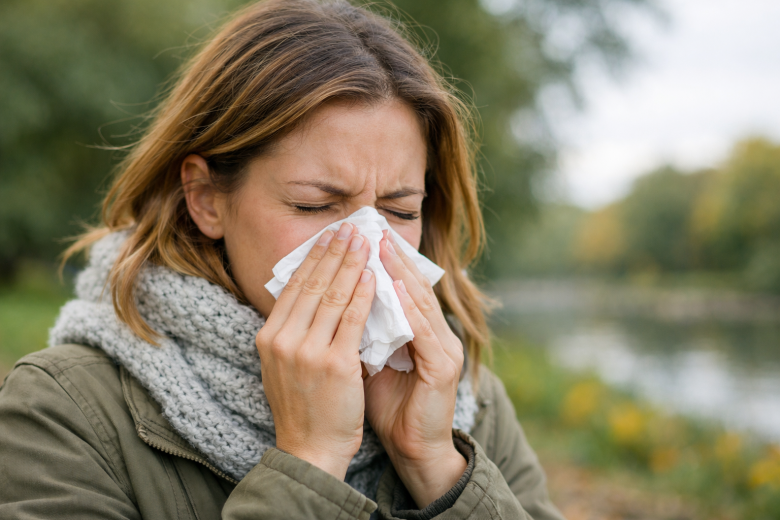
Why the Flu Poses a Greater Risk for Seniors
Understanding why the flu can be more serious for older adults is the first step in prevention. As we age, our immune systems naturally become less robust. This process, known as immunosenescence, means the body has a harder time fighting off infections like the influenza virus.
Because of this, individuals aged 65 and older are not only more susceptible to catching the flu but are also at a significantly higher risk for developing serious complications. These can include pneumonia, bronchitis, sinus infections, and the worsening of chronic health conditions like heart disease, asthma, or diabetes. Taking preventative steps is not just about avoiding a few days of feeling unwell; it’s about protecting your overall health from potentially severe consequences.
Your Most Important Step: The Annual Flu Vaccine
The single most effective way to protect yourself against the flu is to get vaccinated every year. The Centers for Disease Control and Prevention (CDC) recommends that everyone six months and older get a flu shot, with very few exceptions. For seniors, this is especially critical.
High-Dose Vaccines for Enhanced Protection
Because of age-related changes in the immune system, standard flu shots may not provide as strong an immune response in older adults. To address this, specific vaccines are designed to give seniors better protection. When you go for your vaccination, ask your doctor or pharmacist about one of these three options recommended for people aged 65 and older:
- Fluzone High-Dose Quadrivalent:This vaccine contains four times the amount of antigen (the part of the vaccine that helps your body build protection) as a standard-dose flu shot.
- Flublok Quadrivalent:This is a recombinant protein vaccine that also contains a higher amount of antigen than standard-dose options.
- Fluad Quadrivalent:This vaccine is made with an adjuvant, which is an ingredient added to help create a stronger immune response.
It’s best to get vaccinated in the early fall, ideally by the end of October, to ensure you are protected before flu activity begins to peak in your community.
Daily Habits to Reduce Exposure and Stay Well
Beyond the flu shot, incorporating simple daily habits into your routine can make a huge difference in reducing your exposure to germs and supporting your immune system.
Practice Excellent Hand Hygiene
Your hands are one of the primary ways germs are spread. The flu virus can live on surfaces for hours, and you can easily become infected by touching a contaminated object and then touching your face.
- Wash Often:Wash your hands frequently with soap and water for at least 20 seconds. This is especially important after being in public places, after coughing or sneezing, and before eating.
- Use Hand Sanitizer:When soap and water are not available, use an alcohol-based hand sanitizer that contains at least 60% alcohol. Good examples include brands like Purell or Germ-X. Rub it over all surfaces of your hands until they are dry.
Avoid Touching Your Face
It’s a hard habit to break, but try to be conscious of not touching your eyes, nose, and mouth. These are the main entry points for viruses to enter your body. Keeping your hands away from your face creates a simple but effective barrier against infection.
Be Mindful in Public Spaces
Flu season doesn’t mean you have to stay home, but it does mean you should be more strategic about your outings.
- Avoid Crowds:When possible, try to avoid large, crowded indoor gatherings where the virus can spread more easily.
- Keep Your Distance:Maintain a safe distance from people who are obviously sick, coughing, or sneezing.
- Clean High-Touch Surfaces:At home, regularly wipe down frequently touched surfaces with disinfectant wipes or sprays. Focus on doorknobs, light switches, remote controls, faucets, and your phone. Products like Clorox or Lysol wipes are effective for this task.
Support Your Overall Well-being
A strong body is better equipped to fight off illness. Supporting your overall health is a key part of your flu season defense strategy.
- Eat a Nutritious Diet:Focus on a balanced diet rich in fruits, vegetables, lean proteins, and whole grains. Foods high in Vitamin C (like oranges, strawberries, and bell peppers) and Zinc (like nuts, beans, and whole grains) can help support immune function.
- Stay Hydrated:Drink plenty of fluids, primarily water, throughout the day. Proper hydration helps your body function at its best.
- Get Enough Sleep:Aim for 7 to 9 hours of quality sleep per night. Sleep is when your body rests and repairs itself, and it is crucial for a healthy immune system.
- Manage Stress:Chronic stress can weaken your immune response. Engage in relaxing activities you enjoy, such as reading, gentle walking, listening to music, or practicing mindfulness.
Know the Symptoms and When to Call a Doctor
Even with the best precautions, it’s still possible to get the flu. Knowing the symptoms can help you seek treatment early, which can reduce the severity and duration of the illness.
Common flu symptoms include:
- Fever or feeling feverish/chills
- Cough
- Sore throat
- Runny or stuffy nose
- Muscle or body aches
- Headaches
- Fatigue (tiredness)
If you suspect you have the flu, it is important to contact your doctor right away. They may prescribe an antiviral medication, which works best when started within the first 48 hours of symptoms appearing. These drugs can help you feel better faster and prevent serious complications.