Recognizing Signs and Symptoms of Fatty Liver
Fatty liver, or hepatic steatosis, occurs when too much fat builds up in the liver. In the early stages, it may not cause noticeable symptoms, but over time, it can lead to liver damage if left untreated. Here’s what to look for:
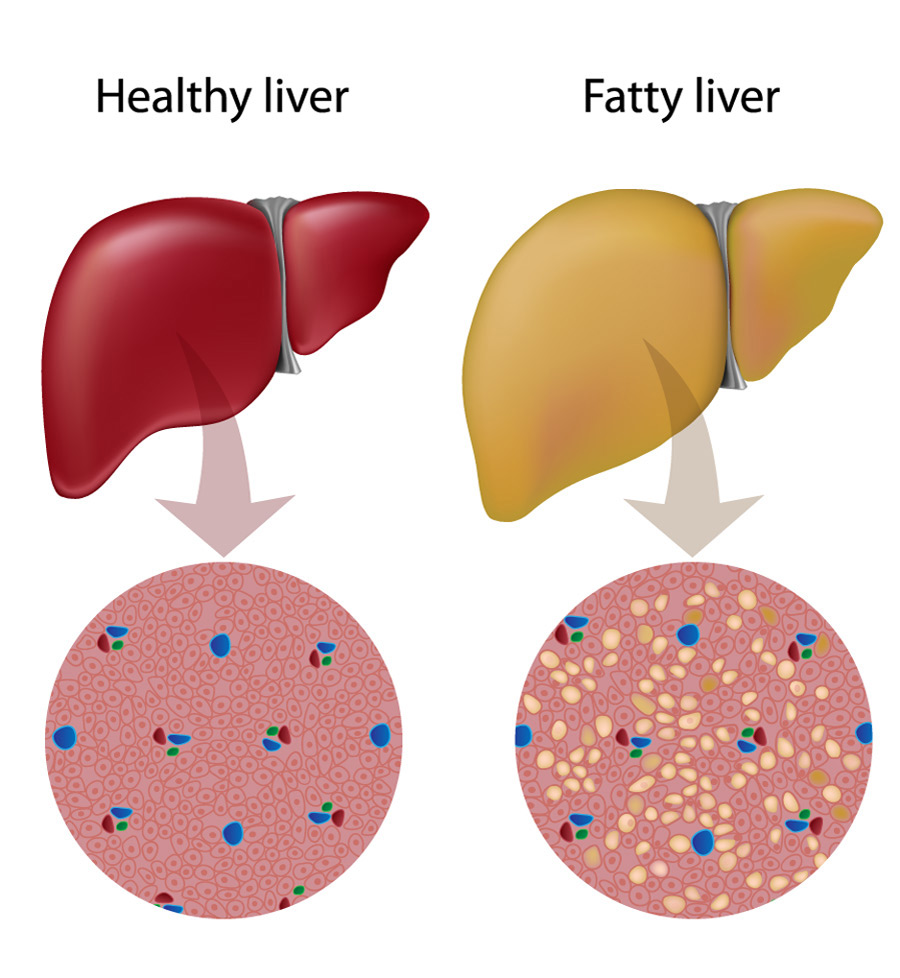
Early Symptoms
In the early stages, fatty liver often shows no obvious symptoms, making it hard to detect without medical testing. However, some people may experience vague discomfort in the upper right abdomen, where the liver is located.
Common Signs of Fatty Liver
As the condition progresses, more noticeable signs can appear:
- Fatigue: Feeling unusually tired or weak is one of the most common symptoms.
- Abdominal discomfort: A dull or aching pain in the upper right side of the abdomen.
- Unexplained weight loss: Losing weight without changes in diet or exercise.
- Enlarged liver: The liver may become swollen, which can be detected during a medical exam.
Advanced Symptoms
In more advanced cases, such as nonalcoholic steatohepatitis (NASH), you might experience:
- Jaundice: Yellowing of the skin and eyes due to liver dysfunction.
- Swelling: Fluid retention in the abdomen (ascites) or legs (edema).
- Confusion: Cognitive issues due to toxins building up in the blood, a condition called hepatic encephalopathy.
When to Seek Medical Help
If you experience persistent fatigue, abdominal discomfort, or other concerning symptoms, it’s important to consult a healthcare professional. A liver function test or ultrasound can help diagnose fatty liver early, preventing more severe complications.
Detecting the signs of fatty liver early allows for lifestyle changes and treatment to help reverse or slow the progression of the condition.