9 Tiny Changes That Can Drop Your Electric Bill (2026 Edition)
Electric rates aren’t getting gentler, but your next bill can be. This 2026 guide lays out nine small, low-cost tweaks that quietly trim kilowatt-hours without cramping your routine. From taming thermostat habits to outsmarting standby power, you’ll learn practical moves that add up week after week. If you’re ready for changes you can finish in a coffee break, read on and start stacking savings today.
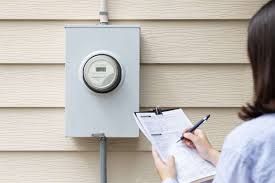
Energy prices in many regions remain volatile in 2026, and electric bills feel the squeeze as more homes rely on plug-in everything: induction cooktops, heat pumps, streaming devices, and chargers for a growing array of gadgets. The good news is that a handful of small, practical moves can carve out real savings without sacrificing comfort. Think of these tweaks as friendly habits—simple adjustments that reduce waste, sharpen control, and turn routine tasks into opportunities to save.
Below is a quick map of the nine tiny changes this article explores. Skim it first, then dive into the sections for how-to details, comparisons, and cost notes.
– 1) Nudge thermostat settings and use smarter schedules
– 2) Use fans to feel cooler and keep airflow clean with timely filter changes
– 3) Seal easy air leaks with weatherstripping and caulk
– 4) Swap remaining bulbs to efficient LEDs and right-size your lighting
– 5) Cut “vampire” standby power with outlet habits and switching power strips
– 6) Tame hot water use: adjust tank temp and insulate short runs
– 7) Shift laundry to cold, improve drying habits, and mind maintenance
– 8) Cook and cool the kitchen efficiently; tune fridge and freezer settings
– 9) Manage windows and daylight; add light-control routines and basic monitoring
1–3: Thermostat Tweaks, Fans, and Plugging the Obvious LeaksHeating and cooling typically claim a large slice of a home’s electricity use, and small setpoint nudges can pay back quickly. A common rule of thumb suggests you can save around 1% on heating and cooling for every degree Fahrenheit (about 0.5°C) you adjust for at least eight hours. That means dialing winter heat down slightly at night and nudging summer cooling up a degree or two during work hours can trim energy without discomfort. Layer on a schedule that reflects your actual routine—wake-up, work, evening, sleep—and you reduce runtime without thinking about it each day.Pair those setpoint tweaks with ceiling or pedestal fans. Air movement helps evaporate moisture on skin, making you feel several degrees cooler at the same temperature. In summer, that often lets you raise the thermostat 2–4°F (about 1–2°C) while feeling just as comfortable. In winter, low fan speeds can help distribute warm air more evenly in rooms with stratification. Do remember: fans cool people, not rooms—turn them off when you leave.Indoor airflow also depends on clean filters. Clogged filters force systems to work harder and run longer. Check monthly and replace on schedule; if you have pets or live in a dusty area, shorter intervals can help. Keeping supply and return grilles free of obstructions—furniture, rugs, heavy drapes—improves circulation and reduces strain.Next, tackle the simple leaks you can fix with a single trip to the hardware aisle. Conditioned air slipping out around doors and windows is like paying for invisible drafts. A few inexpensive materials can stop those leaks in minutes:– Adhesive weatherstripping for door stops and window sashes– Door sweeps to seal the gap at thresholds– Rope caulk or latex caulk for cracks along trim and sill joints– Foam gaskets behind switch and outlet plates on exterior wallsA quick test helps you find offenders: on a breezy day, hold a thin strip of tissue near suspect gaps and watch for flutter. Sealing these spots reduces the runtime of heating and cooling equipment and steadies room temperatures. Combined with modest setpoint changes and fans, you create a quieter, more comfortable interior that costs less to condition—an elegant trio of tiny steps that stack savings every week.