A Guide to Supporting Blood Sugar Levels Naturally
Managing blood sugar is a key part of overall health, and many are curious about natural, lifestyle-based approaches. This guide explores how balanced nutrition, regular exercise, and consistent healthy habits can work together to support stable blood sugar levels, as outlined in established health recommendations.
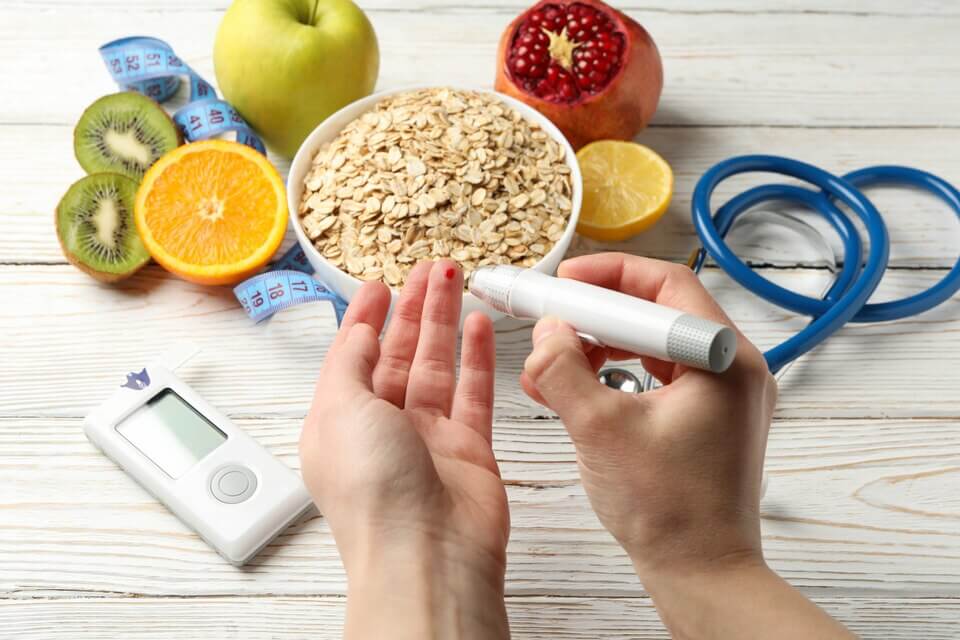
Important Note:The information in this article is for educational purposes only and is not a substitute for professional medical advice. Always consult with a healthcare provider before making any significant changes to your diet, exercise routine, or health management plan, especially if you have a pre-existing condition.
Balanced Nutrition for Blood Sugar Management
The food you eat plays one of the most significant roles in managing blood sugar. Your body converts carbohydrates into glucose (sugar), which enters your bloodstream. The goal is not to eliminate carbs but to choose the right types and amounts to prevent sharp spikes and crashes.
Focus on Fiber-Rich, Complex Carbohydrates
Unlike simple sugars found in candy, soda, and white bread, complex carbohydrates are broken down slowly by the body. This leads to a more gradual release of glucose into the bloodstream. Fiber, in particular, is a superstar for blood sugar control because it’s not digestible and helps slow down sugar absorption.
- Whole Grains:Swap white rice, pasta, and bread for their whole-grain counterparts. Specific examples include quinoa, barley, oats (especially steel-cut or rolled), brown rice, and bread labeled “100% whole wheat.”
- Legumes:Lentils, chickpeas, black beans, and kidney beans are packed with both fiber and protein, making them excellent for blood sugar stability.
- Non-Starchy Vegetables:These should make up a large portion of your plate. They are low in calories and carbohydrates but high in fiber and nutrients. Great choices include broccoli, spinach, kale, bell peppers, mushrooms, asparagus, and cauliflower.
Pair Carbohydrates with Protein and Healthy Fats
Eating carbohydrates by themselves can sometimes lead to a quicker rise in blood sugar. By pairing them with a source of protein and healthy fat, you can slow down digestion and absorption, promoting a more stable response.
- Lean Protein Sources:Include options like skinless chicken breast, fish (especially fatty fish like salmon, which is also rich in omega-3s), turkey, eggs, and tofu.
- Healthy Fat Sources:Avocados, nuts (almonds, walnuts), seeds (chia, flax, pumpkin), and olive oil can help improve insulin sensitivity and keep you feeling full.
Example Meal Idea:Instead of just a bowl of oatmeal, make “power oats.” Cook rolled oats with water or unsweetened milk, then stir in a scoop of protein powder or a tablespoon of chia seeds, top with a handful of berries, and a sprinkle of almonds. This combines a complex carb, protein, fiber, and healthy fats.
Understand Portion Control
Even healthy foods can raise blood sugar if eaten in large quantities. Learning to manage portion sizes is crucial. One popular and simple method is the “Plate Method” recommended by organizations like the American Diabetes Association:
- Fill half your platewith non-starchy vegetables.
- Fill one-quarter of your platewith a lean protein source.
- Fill the final quarter of your platewith a complex carbohydrate.
The Power of Exercise in Blood Sugar Control
Physical activity is another powerful tool for managing blood sugar. When you exercise, your muscles use glucose for energy, which helps lower the amount of sugar in your bloodstream. Regular exercise also makes your body’s cells more sensitive to insulin, meaning they can use the available insulin more effectively.
Aerobic Exercise
Aerobic activities, which raise your heart rate, are excellent for improving how your body uses insulin. Health guides, including recommendations from the CDC, suggest at least 150 minutes of moderate-intensity aerobic exercise per week.
- Moderate-Intensity Examples:Brisk walking (where you can talk but not sing), cycling on flat terrain, swimming, water aerobics, or dancing.
- Consistency is Key:You can break this up into manageable chunks, such as 30 minutes, five days a week. Even a 10-minute walk after each meal can have a significant positive impact.
Strength Training
Resistance or strength training builds muscle mass. Since muscle tissue uses more glucose than fat tissue, even at rest, having more muscle can help with long-term blood sugar management. Aim for two or more days of strength training per week, working all major muscle groups.
- Examples:Lifting weights, using resistance bands, or performing bodyweight exercises like squats, push-ups, and lunges. You don’t need a gym membership; many effective routines can be done at home.
Healthy Habits for Long-Term Success
Beyond diet and exercise, several other lifestyle habits contribute to healthy blood sugar levels.
Stay Hydrated with Water
Sugary drinks like soda, sweetened iced tea, and fruit juice can cause rapid blood sugar spikes. Water is the best choice for hydration. It contains no sugar or calories and helps your kidneys flush out excess sugar through urine. If you find water plain, try infusing it with lemon, cucumber, or mint.
Manage Stress Effectively
When you’re stressed, your body releases hormones like cortisol and adrenaline. These hormones can cause blood sugar levels to rise as part of the “fight or flight” response. Finding healthy ways to cope with stress is important for both your mental well-being and your blood sugar.
- Proven Techniques:Consider practicing mindfulness, meditation, deep breathing exercises, or gentle yoga. Spending time in nature and engaging in hobbies you enjoy can also be powerful stress relievers.
Prioritize Quality Sleep
A lack of sleep can disrupt your hormones, increase stress, and negatively affect insulin sensitivity. Most adults need 7-9 hours of quality sleep per night. To improve your sleep hygiene:
- Stick to a consistent sleep schedule, even on weekends.
- Create a relaxing bedtime routine.
- Make sure your bedroom is dark, quiet, and cool.
- Avoid caffeine and large meals late in the evening.
- Limit screen time an hour before bed, as the blue light can interfere with sleep hormones.
Frequently Asked Questions
Can certain spices or supplements help lower blood sugar?Some studies suggest that spices like cinnamon and fenugreek may have a modest beneficial effect on blood sugar levels. However, they are not a substitute for a healthy diet and exercise. You should always talk to your doctor before starting any new supplement, as they can interact with medications.
Do I have to cut out all sugar to manage my blood sugar?Not necessarily. The key is to limit added sugars and focus on whole, unprocessed foods. A small treat on occasion can often be part of a balanced lifestyle, but it’s important to be mindful of portion sizes and how it fits into your overall eating plan.
How quickly can these natural methods make a difference?The effects of exercise can be immediate; a single workout can lower blood sugar for hours. Dietary changes can start showing benefits within days or weeks. The most significant and lasting improvements come from making these changes a consistent, long-term part of your lifestyle.