Normal Blood Sugar Levels for Adults Over 70: A Comprehensive Guide
Gain a clear understanding of normal blood sugar levels for adults over 70, including how health guides frame these ranges, age-related considerations, and actionable tips for maintaining healthy glucose control. Explore detailed explanations of fasting and postprandial ranges, and learn how to work with your healthcare team to set personalized targets that prioritize your well-being.
Understanding Blood Sugar Guidelines for Adults Over 70
As you age, your body’s ability to regulate blood sugar shifts, making it critical to understand how health guides frame normal ranges for adults over 70. General health references outline these ranges with careful consideration of age-related changes, such as reduced insulin sensitivity, slower metabolism, and higher rates of chronic conditions that impact glucose control. These guides don’t just list numbers—they provide context for why ranges might differ from those used for younger adults, helping you and your healthcare provider make informed decisions about your care.
How Normal Blood Sugar Ranges for Older Adults Are Explained
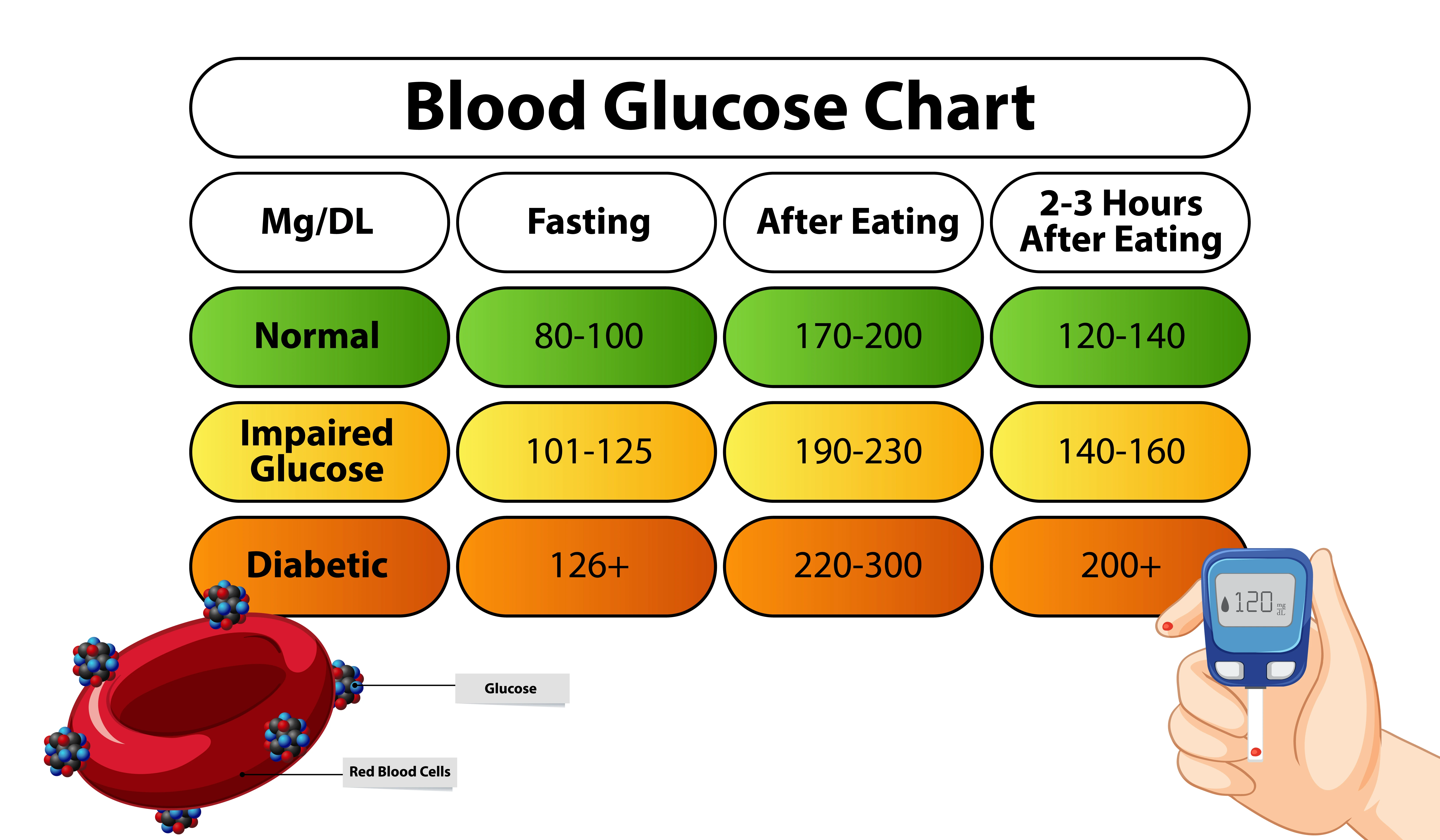
Most general health references break down normal blood sugar ranges for adults over 70 into two key measurements: fasting blood sugar and postprandial (after-meal) blood sugar. Fasting levels, taken after 8 to 12 hours without food, are typically outlined as between 70 and 100 mg/dL for healthy seniors who do not have diabetes. For those with diabetes, guides often explain that a slightly higher fasting range, such as 80 to 130 mg/dL, may be acceptable to avoid the risks of hypoglycemia, which can be more dangerous for older adults due to potential falls or confusion.
Postprandial levels, measured two hours after eating, are generally described as under 140 mg/dL for non-diabetic seniors. For seniors with diabetes, guides may note that a target of under 180 mg/dL is common, balancing the need for glucose control with the risk of low blood sugar. These ranges are not one-size-fits-all, though—guides emphasize that individual factors like overall health, presence of other medical conditions, and medication use should be taken into account when setting personal targets.
Age-Related Considerations in Blood Sugar Range Explanations
When exploring how blood sugar ranges for older adults are explained, it’s important to focus on the age-specific considerations that shape these guidelines. For example, seniors are more likely to experience comorbidities like heart disease or kidney disease, which can affect how their bodies process glucose. Health references highlight that in these cases, blood sugar targets may be adjusted to prevent additional stress on these organs.
Another key consideration is the risk of hypoglycemia. Older adults may have a reduced ability to recognize the symptoms of low blood sugar, such as shakiness or dizziness, which can lead to delayed treatment and serious complications like seizures or loss of consciousness. Guides explain that this is why many healthcare providers recommend slightly higher blood sugar targets for seniors with diabetes, to minimize the chance of hypoglycemic episodes.
Additionally, changes in physical activity levels and diet as people age can impact blood sugar control. Health references often include advice on how to adjust these factors to maintain healthy levels, such as incorporating regular, low-impact exercise like walking or swimming, and choosing nutrient-dense foods that help stabilize glucose.
Outlining Normal Blood Sugar Levels for Adults 70 and Older
General health references outline normal blood sugar levels from age 70 onwards with clear, actionable information for both non-diabetic and diabetic seniors. For non-diabetic seniors, the guidelines typically mirror those for younger adults but with a focus on monitoring for early signs of insulin resistance, which can develop with age. This includes regular blood sugar screenings, especially if there is a family history of diabetes or other risk factors like obesity or high blood pressure.
For seniors with diabetes, guides provide detailed information on how to monitor blood sugar at home, including the frequency of testing and how to interpret results. They also explain the importance of working closely with a healthcare team to adjust medications, diet, and exercise routines as needed to keep blood sugar within a safe range. Many references also include tips for managing blood sugar during illness, which can be a challenging time for seniors as illness can cause glucose levels to spike or drop unexpectedly.
Deepening Your Knowledge of Senior Blood Sugar Levels
Read more about normal blood sugar levels from age 70 onwards to gain a more comprehensive understanding of how to maintain healthy glucose control as you age. This includes learning about the latest research on blood sugar management for seniors, as well as practical tips for making lifestyle changes that support long-term health. For example, you can explore resources that provide sample meal plans tailored to seniors, or information on how to choose the right blood glucose monitor for home use.
Learn more about normal blood sugar levels from age 70 onwards by consulting reputable health organizations that specialize in senior care. These organizations often provide free resources, such as brochures, online articles, and webinars, that cover a wide range of topics related to blood sugar control. They may also offer support groups for seniors with diabetes, where you can connect with others who are facing similar challenges and share tips and advice.
Taking Action to Maintain Healthy Blood Sugar Levels
Once you have a solid understanding of how blood sugar levels after 70 are described in guides, you can take proactive steps to maintain healthy levels. This includes scheduling regular check-ups with your healthcare provider to monitor your blood sugar and overall health, following a balanced diet that is rich in fiber, lean protein, and healthy fats, and engaging in regular physical activity. It’s also important to take any medications as prescribed, and to be aware of the signs and symptoms of both high and low blood sugar so that you can seek treatment promptly if needed.
Remember, every senior is unique, and what works for one person may not work for another. That’s why it’s important to work closely with your healthcare team to develop a personalized plan for blood sugar management that takes into account your individual needs and health status. By staying informed and taking proactive steps to care for your health, you can maintain healthy blood sugar levels and enjoy a high quality of life as you age.