A Guide to Baking Soda for Wellness, Care, and Home
That humble box of baking soda in your pantry is surprisingly versatile. You likely know it for baking, but its uses extend far beyond the kitchen. Many people are curious about its potential benefits for wellness, personal care, and cleaning. This guide explores the common and practical applications of this simple yet powerful compound.
Understanding Baking Soda's Potential Wellness Uses
Baking soda, or sodium bicarbonate, is an alkaline compound that can help neutralize acids. This basic chemical property is the reason behind many of its popular wellness and household applications. However, it’s crucial to approach any internal use with caution and to consult a healthcare professional before starting a new routine.
May Offer Temporary Relief for Heartburn
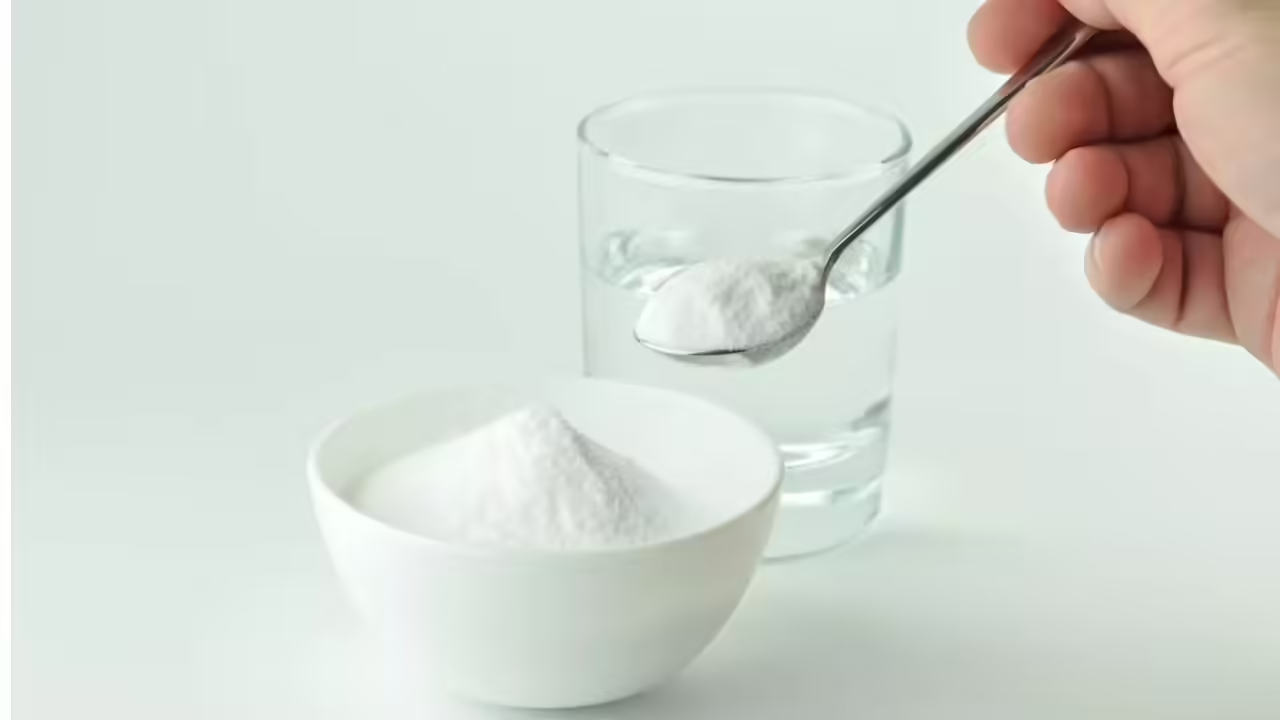
Occasional heartburn and indigestion happen when stomach acid flows up from the stomach into the esophagus. Because baking soda is alkaline, it can help neutralize this excess stomach acid, providing temporary relief. A common folk remedy involves dissolving about half a teaspoon of baking soda in a half glass of water.
Important Note:This is intended for occasional relief only. Frequent heartburn can be a symptom of a more serious condition like gastroesophageal reflux disease (GERD). Using baking soda regularly can affect your body’s electrolyte and acid-base balance and is not recommended without medical guidance.
Supporting High-Intensity Exercise
During intense exercise, your muscles produce lactic acid, which can cause that familiar burning sensation and fatigue. Some studies in sports science suggest that taking sodium bicarbonate before a workout might help buffer this acid. This could potentially delay fatigue and improve performance in short-duration, high-intensity activities like sprinting or weightlifting. This practice, often called “soda loading,” should only be attempted by serious athletes under the guidance of a sports physician or nutritionist, as improper dosage can cause significant digestive upset.
Soothing Minor Skin Irritations
A baking soda bath can be a simple and effective way to soothe irritated skin. Adding about half a cup to a full tub of lukewarm water can help relieve the itchiness and discomfort associated with sunburn, insect bites, or rashes from plants like poison ivy. Its mild properties can calm the skin without causing further irritation.
Everyday Personal Care Routines with Baking Soda
Baking soda’s gentle abrasive and neutralizing properties make it a popular ingredient in do-it-yourself beauty and personal care treatments.
Natural Deodorant Alternative
If you’re looking for an aluminum-free deodorant, baking soda can be a great alternative. It doesn’t stop you from sweating, but it can effectively neutralize the acidic, odor-causing bacteria that thrive in sweat. You can simply pat a small amount of dry baking soda onto your underarms or create a paste by mixing it with a little water or coconut oil. Always do a patch test first, as some people with sensitive skin may find it irritating.
Gentle Exfoliating Scrub
You can create a simple and effective exfoliating scrub for your face and body. Mix three parts baking soda with one part water to form a soft paste. Gently apply it to your skin in a circular motion to slough off dead skin cells, then rinse thoroughly. Because it can be drying, it’s best to use this treatment no more than once or twice a week and follow up with a good moisturizer.
Clarifying Hair Treatment
Hair products like gels, sprays, and dry shampoos can build up on your scalp and hair over time, leaving it looking dull and weighed down. To get a deep clean, try adding a teaspoon of baking soda to your regular amount of shampoo. Lather and rinse as usual. This helps strip away product residue, leaving your hair feeling extra clean and light.
Relaxing Foot Soak
After a long day on your feet, a baking soda foot soak can be incredibly refreshing. Add three to four tablespoons of baking soda to a basin of warm water and soak your feet for 15-20 minutes. It helps soften rough skin, soothe aches, and neutralize foot odors.
A Powerful and Frugal Household Cleaner
Baking soda is a non-toxic, inexpensive, and highly effective cleaner that can replace many harsh chemical products in your home.
- All-Purpose Scouring Paste:Mix baking soda with a small amount of water to create a paste. It works wonders for scrubbing kitchen sinks, countertops, bathtubs, and tiles without scratching surfaces.
- Natural Grease Cutter:For tough, baked-on food and grease on pots and pans, sprinkle a generous amount of baking soda, add hot water, and let it soak. The baked-on grime will lift much more easily.
- Refrigerator Deodorizer:An open box of baking soda placed in the back of your fridge is a classic trick for a reason. It absorbs and neutralizes strong food odors from things like onions or fish, keeping your refrigerator smelling fresh. Replace the box every three months.
- Carpet and Upholstery Freshener:Lightly sprinkle dry baking soda over carpets, rugs, or fabric-covered furniture. Let it sit for at least 15-20 minutes (or even overnight for deep odors), then vacuum it up thoroughly.
- Laundry Booster:Add half a cup of baking soda to your laundry load along with your regular detergent. It can help soften the water, which means you can use less detergent. It also helps brighten whites and colored fabrics.
Frequently Asked Questions
What is the difference between baking soda and baking powder?Baking soda is pure sodium bicarbonate. It needs an acid (like vinegar, lemon juice, or buttermilk) to react and create the carbon dioxide that makes baked goods rise. Baking powder is a complete leavening agent that contains sodium bicarbonate, an acid (like cream of tartar), and a stabilizer (like cornstarch).
Is it safe to drink baking soda water every day?No, it is generally not recommended to drink baking soda water every day without consulting a doctor. Regular consumption can lead to high sodium levels, disrupt your body’s natural pH balance, and may interfere with the absorption of certain medications. It should only be used for occasional relief.
Can baking soda damage my teeth?While baking soda is effective at removing surface stains, it is also mildly abrasive. Using it too frequently or scrubbing too hard can potentially damage your tooth enamel over time. It’s best to use a toothpaste that has been approved by a dental association or to consult your dentist before using baking soda for oral care.