3 Daily Habits to Help Seniors of All Ages Overcome Loneliness
Loneliness affects seniors of all ages, from 50 to 75+, but three simple daily habits can help overcome these feelings. This guide explores how to tailor social check-ins, purpose-driven activities, and community connections to your age group, providing actionable steps to build a more connected and fulfilling life.
Understanding Loneliness Across Senior Age Groups
Loneliness can affect seniors of all ages, but its triggers and manifestations often shift as we move through different life stages. For those aged 50-60, the transition into retirement or empty-nest syndrome can spark feelings of disconnection. In the 60-70 age range, health changes or the loss of long-term friends may become more common triggers. Seniors 70-75 might face reduced mobility that limits social outings, while those 75+ often deal with increased isolation due to more significant health challenges or the loss of a spouse. No matter your age, small, daily habits can make a profound difference in combating these feelings.
3 Daily Habits to Help Seniors Overcome Loneliness
These simple, actionable habits are adaptable to every senior age group, ensuring you can find a routine that fits your lifestyle and needs. Each habit is designed to foster connection, boost mood, and create a sense of purpose, helping you build a more fulfilling daily life.
Habit 1: Daily Social Check-Ins
A quick, intentional social check-in can break the cycle of isolation. For seniors 50-60, this might mean a 10-minute call with a former colleague to catch up on work updates or a coffee meetup with a neighbor. Those 60-70 can join a local walking group or attend a weekly book club, combining social time with light physical activity. Seniors 70-75 who may have limited mobility can use video call apps to connect with grandkids or distant family members, while those 75+ might benefit from a daily chat with a caregiver or a volunteer from a local senior center. The key is to make this check-in a non-negotiable part of your day, whether it's a scheduled call or a spontaneous chat with someone you encounter on a walk.
Habit 2: Engage in a Purpose-Driven Activity
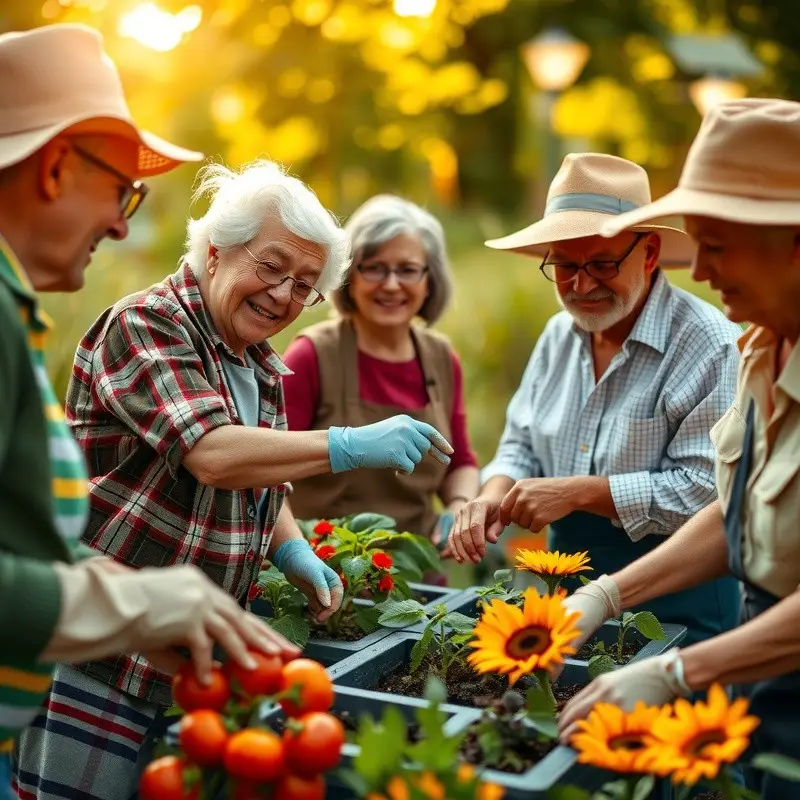
Having a daily task that feels meaningful can drastically reduce feelings of loneliness. For seniors 50-60, this could be mentoring a young professional in your former field or volunteering at a local school. Those 60-70 might take up a new hobby like gardening or painting, and even sell or donate their creations to support a local charity. Seniors 70-75 can share their life stories with a local historical society or record them for their family, while those 75+ might focus on small, daily acts of kindness like baking cookies for a neighbor or writing a note to a friend. This habit not only keeps you busy but also reminds you of your value and impact on the world around you.
Habit 3: Mindful Connection with Your Community
Connecting with your local community can create a sense of belonging that combats loneliness. For seniors 50-60, this might mean attending a community workshop or joining a local sports league for casual games. Those 60-70 can participate in community clean-up events or help organize a neighborhood potluck. Seniors 70-75 can visit a local library to attend a storytime for kids or join a senior exercise class, while those 75+ might enjoy a weekly trip to a local café where the staff knows your name and can engage in a friendly chat. Even small interactions, like waving at a neighbor or complimenting a barista, can help you feel more connected to the world around you.
Tailoring Habits to Your Age Group
Learn more about habits for seniors aged 50-60 to overcome loneliness: For this group, focusing on maintaining existing social networks while exploring new interests is key. Many in this age range are newly retired, so using that free time to reconnect with old friends or take up a new hobby that involves social interaction can be highly effective. Consider joining a retirement community club or taking a class at a local community college to meet people with similar interests.
Learn more about habits for seniors aged 60-70 to overcome loneliness: This age group often faces health changes that can limit mobility, so adapting social activities to fit your physical needs is important. Look for low-impact group activities like chair yoga or seated art classes, or use technology to connect with others if leaving the house is challenging. Many local senior centers offer specialized programs for this age group, so be sure to check what's available in your area.
Learn more about habits for seniors aged 70-75 to overcome loneliness: Seniors in this range may have more limited mobility, so focusing on at-home social activities can be beneficial. Consider starting a weekly virtual game night with family or friends, or joining an online book club. You can also reach out to local volunteer organizations that offer at-home volunteer opportunities, like making phone calls to isolated seniors or crafting items for a local shelter.
Learn more about habits for seniors aged 75+ to overcome loneliness: For this group, safety and comfort are top priorities, so social activities should be low-stress and accessible. Many senior centers offer home visit programs where volunteers come to your house for a chat or to play a game. You can also ask a family member or caregiver to help you set up a video call with distant loved ones, or listen to a daily radio show that allows you to call in and share your thoughts with other listeners.
Making These Habits Stick
The key to success with these habits is to start small and be consistent. Don't try to implement all three habits at once; instead, pick one that feels most manageable and focus on it for a week or two before adding another. Set a specific time each day for your chosen habit, and write it down in a planner or set a reminder on your phone to help you stay on track. Remember, it's okay to adjust the habit to fit your needs—if a walking group feels too strenuous, try a seated exercise class instead, or if a video call feels overwhelming, start with a simple phone call. The most important thing is to keep trying and to be kind to yourself if you have a bad day.
The Impact of Small, Daily Actions
SENIORS CAN OVERCOME LONELINESS WITH THESE 3 DAILY HABITS! Even the smallest daily action can have a big impact on your mood and sense of connection. By incorporating these habits into your routine, you can build a more fulfilling, connected life no matter your age or circumstances. Whether you're 50 or 85, there are always ways to stay connected to the world around you and to find joy in the daily moments. Don't let loneliness hold you back—start implementing these habits today and take the first step toward a happier, more connected life.