Foods to Prevent Hair Loss and Support Healthier Hair
Discover how nutrient-rich foods can help reduce natural hair loss and promote stronger, healthier hair and scalp wellness through essential vitamins, minerals, and proteins.
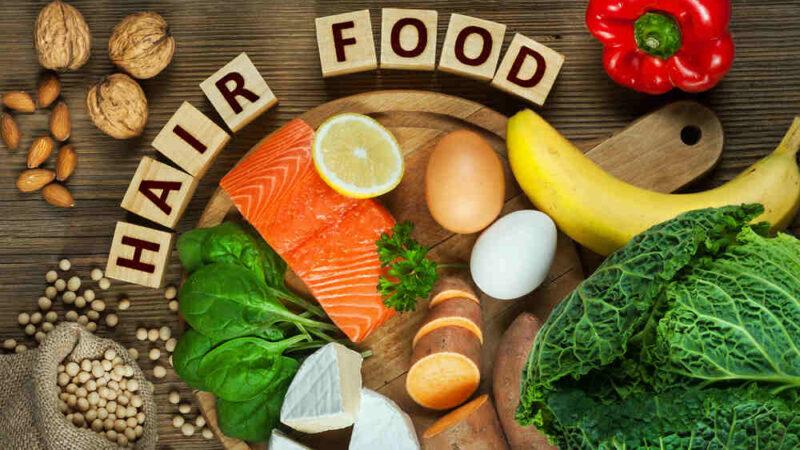
Context and Promise
Your hair health is influenced by what you eat. This guide translates the latest understanding of nutrition into practical, everyday choices that support natural hair vitality and a healthier scalp. By focusing on foods rich in vitamins, minerals, and proteins, you’ll learn how to nourish follicles, reduce breakage, and encourage a fuller, stronger head of hair.
Key Nutrients That Matter
Healthy hair relies on a spectrum of nutrients. Proteins supply the building blocks for hair strands, iron supports oxygen transport to follicles, zinc helps with tissue repair, and vitamins A, C, D, and E assist in sebum production, collagen formation, and antioxidant protection. Minerals like biotin, iodine, and selenium also play supporting roles in maintaining hair integrity and scalp health.
Top Foods to Include
- Eggs and dairy for high-quality protein and biotin.
- Fatty fish such as salmon and sardines for omega-3s and vitamin D.
- Leafy greens like spinach and kale for iron and folate.
- Nuts and seeds (especially chia, flax, and almonds) for zinc and essential fats.
- Legumes and beans for plant-based protein and iron.
How to Incorporate These Foods
Plan balanced meals that combine protein, healthy fats, and colorful vegetables. Snack on a handful of nuts, add salmon to a salad, or blend leafy greens into smoothies with a scoop of protein. Consistency matters; aim for a varied, nutrient-dense diet over time to support hair health.
Practical Steps and Considerations
- Assess current eating patterns and identify gaps in key nutrients linked to hair health.
- Prioritize whole, minimally processed foods over refined options.
- Consult with a healthcare professional if you have dietary restrictions, allergies, or existing medical conditions that affect nutrient absorption.
Evidence and Cautions
Nutrition can influence hair health, but results vary by individual. Use this guidance as a framework to improve scalp wellness and hair strength rather than a guaranteed remedy for all forms of hair loss. If shedding persists or accelerates, seek medical advice to rule out underlying conditions.
Takeaway and Next Steps
Adopt a nutrient-rich eating pattern designed to support hair health, paired with mindful maintenance of scalp care. Track changes over several weeks to observe improvements in hair strength, shine, and overall scalp well-being. For personalized suggestions, consider a registered dietitian or trichologist consultation.